
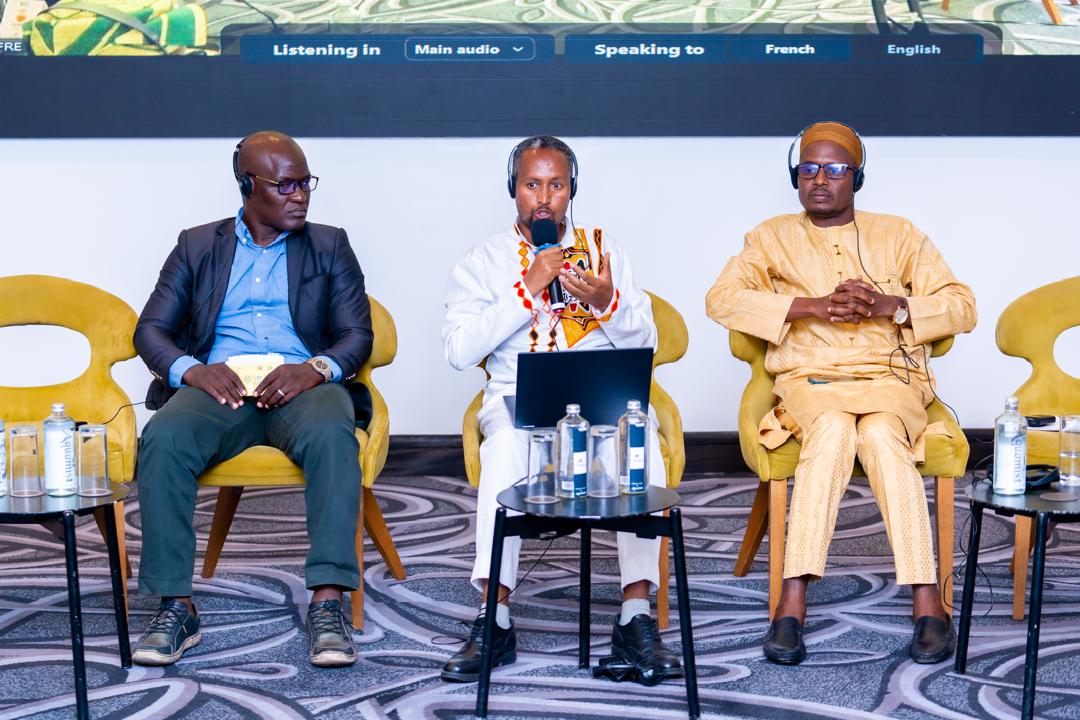
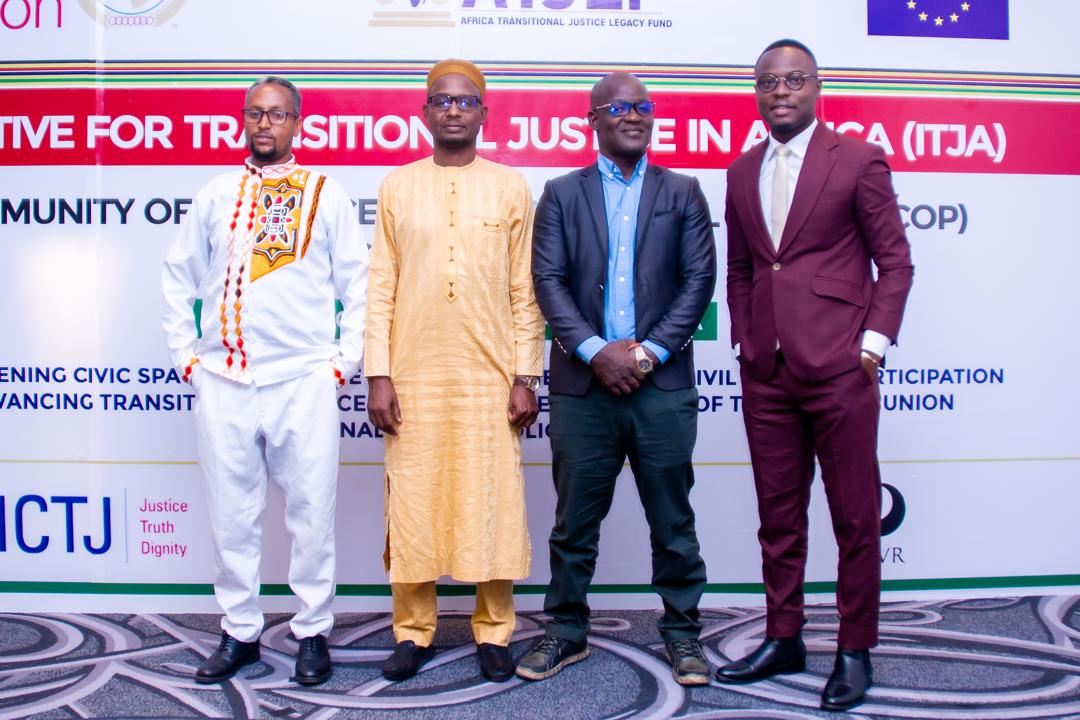
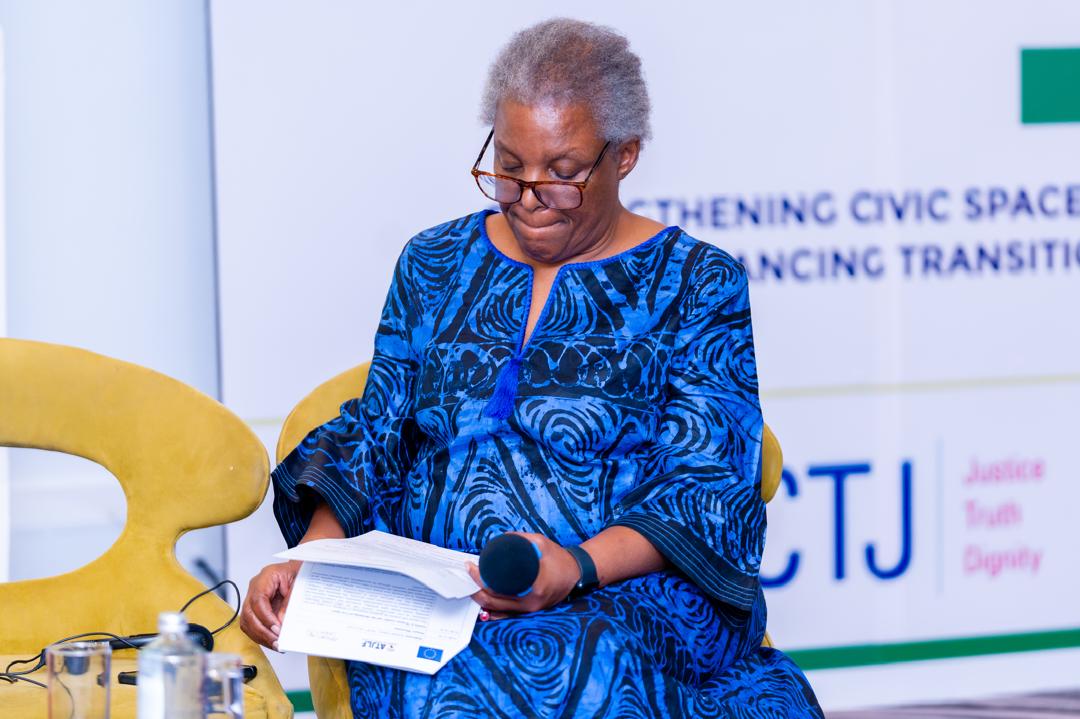
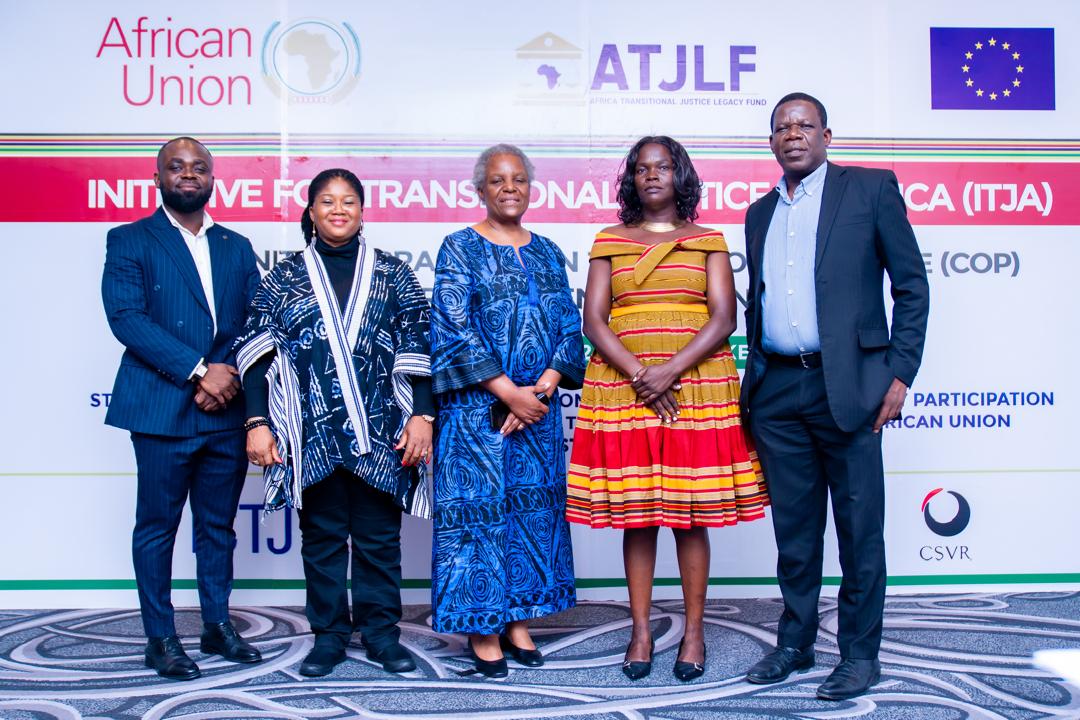
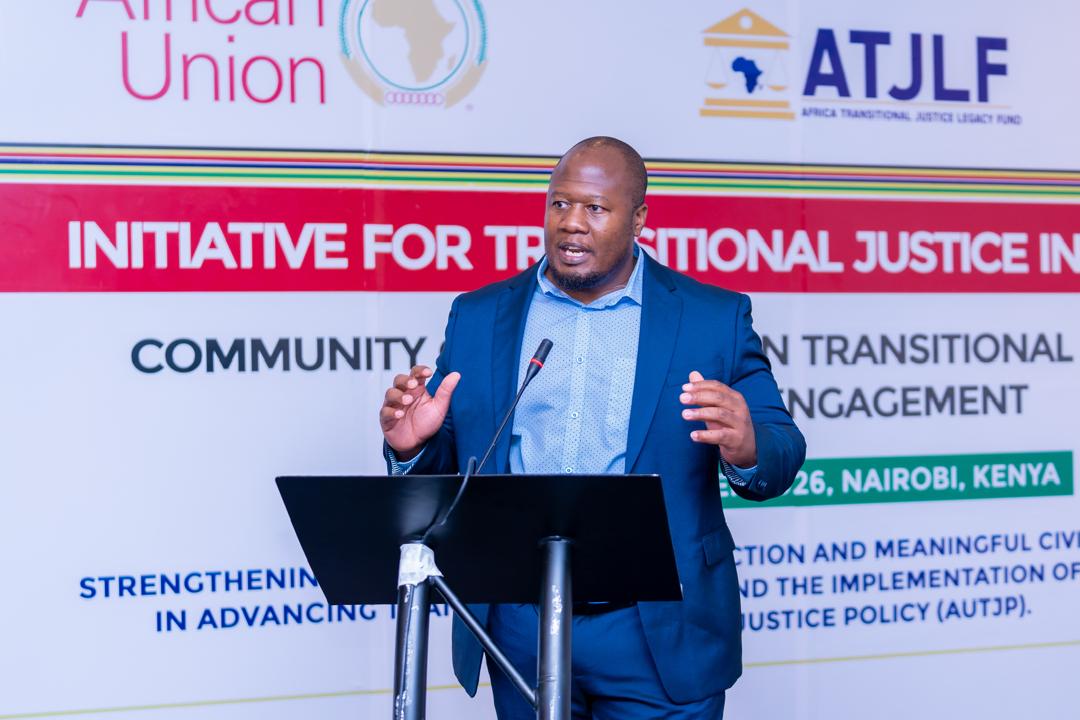
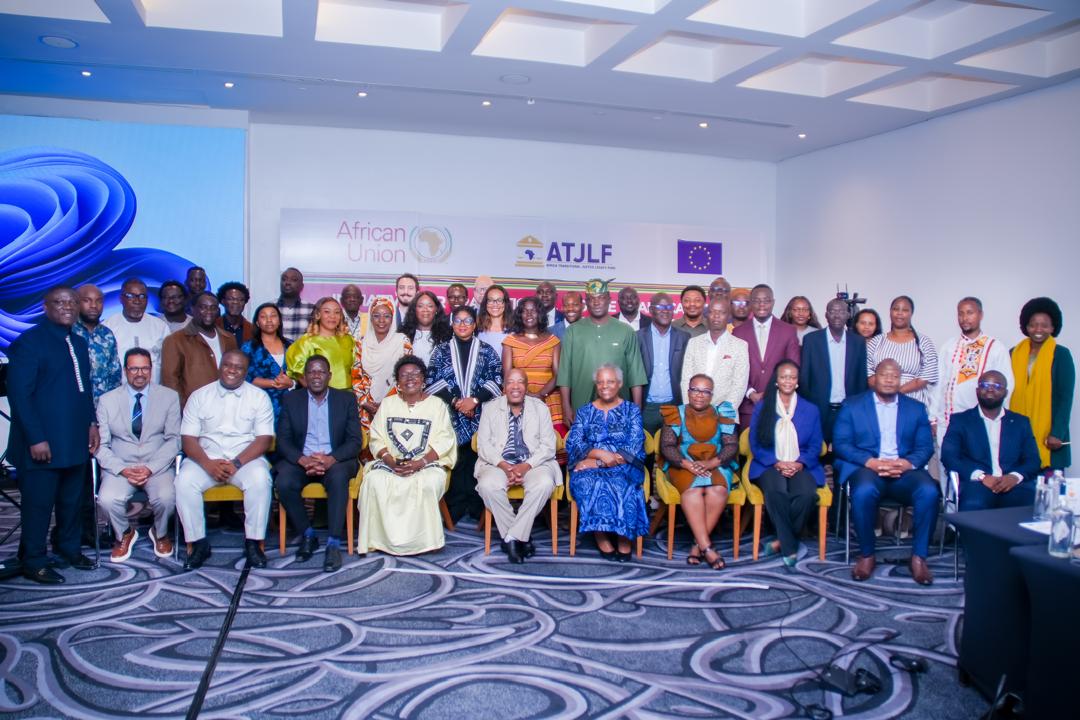
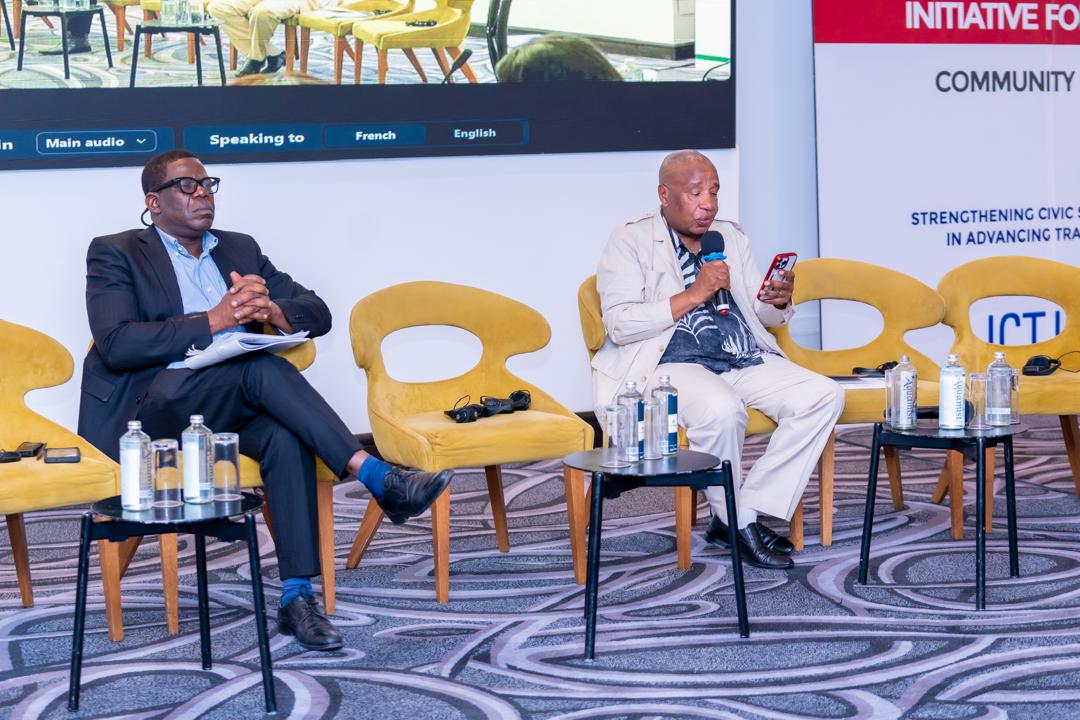
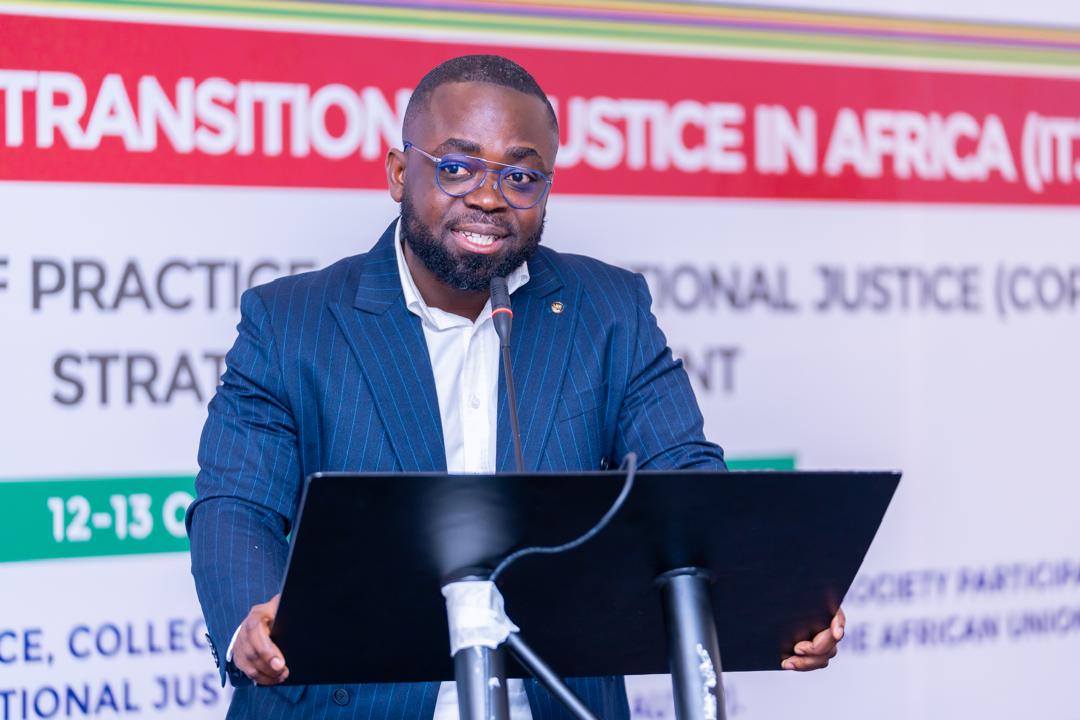
The Africa Transitional Justice Legacy Fund (ATJLF), in collaboration with the International Center for Transitional Justice (ICTJ) and the Centre for the Study of Violence and Reconciliation (CSVR), convened members of the Community of Practice (CoP) on Transitional Justice in Africa in Nairobi, Kenya, from 12 to 13 October 2026.
Organised under the African Union-European Union Initiative for Transitional Justice in Africa (ITJA), the convening brought together civil society organisations, victims’ and survivors’ groups, researchers, academics and transitional justice practitioners representing about 30 organisations from about 25 countries across West, East, Central, Southern and North Africa.
Held under the theme “Civil Society, Civic Space and Transitional Justice in Africa,” the meeting provided a platform for participants to examine the state of civic space across the continent, reflect on challenges affecting transitional justice processes and develop collective recommendations to strengthen civil society participation in advancing justice, accountability, reconciliation and sustainable peace.
The Nairobi gathering also built on previous engagements of the Community of Practice, including the convening held in Accra, Ghana, in March 2026, reinforcing the importance of sustained collaboration, peer learning and collective advocacy among transitional justice actors.
Shrinking Civic Space and Emerging Challenges
A central focus of the discussions was the growing concern over shrinking civic space and its implications for transitional justice processes across Africa.
Participants highlighted how restrictive registration requirements, intimidation, surveillance, political interference and insecurity continue to undermine the ability of civil society organisations to operate independently, document human rights violations, support victims and survivors, and contribute meaningfully to transitional justice initiatives.
The discussions also drew attention to the limited involvement of civil society organisations in the design and formulation of transitional justice policies and mechanisms. Participants observed that civil society actors are often engaged only during implementation, rather than being recognised as essential partners from the outset.
Another significant concern was the decline in funding for transitional justice initiatives, particularly those led by grassroots organisations, women and young people. Participants noted that inadequate and unpredictable funding threatens institutional sustainability, weakens advocacy efforts and limits the ability of organisations to provide continuous support to affected communities.
The meeting further highlighted the disproportionate challenges faced by women, young people and marginalised groups, whose participation in transitional justice processes often remains limited or symbolic.
Mental health and psychosocial support also emerged as a critical issue. Participants emphasised that victims, survivors and transitional justice practitioners frequently experience trauma and psychological distress, underscoring the need to integrate trauma-informed approaches and psychosocial support into transitional justice programming.
Strengthening Implementation of the African Union Transitional Justice Policy
The convening reaffirmed the importance of the African Union Transitional Justice Policy (AUTJP) as a continental framework for addressing legacies of violent conflict, human rights violations and historical injustices.
Participants stressed that the effective implementation of the policy requires an enabling environment in which civil society organisations, victims, survivors and affected communities can participate freely, safely and meaningfully.
Discussions emphasised the primary responsibility of African Union Member States to create conditions that facilitate transitional justice processes, including removing barriers to civil society participation, protecting human rights defenders and ensuring that national transitional justice mechanisms remain inclusive and responsive to the needs of affected populations.
Participants also called for stronger collaboration between state institutions and non-state actors, noting that civil society organisations possess valuable technical expertise, community relationships and practical experience that can contribute significantly to the design, implementation and monitoring of transitional justice initiatives.
The importance of publishing truth commission reports, implementing their recommendations and establishing national platforms for dialogue and coordination was also underscored.



Nairobi Communiqué Outlines Collective Recommendations
A major outcome of the convening was the adoption of a communiqué titled “Civil Society, Civic Space and Transitional Justice in Africa” on 13 October 2026.
The communiqué outlines shared concerns and presents recommendations to key stakeholders, including African Union Member States, AU organs, Regional Economic Communities, National Human Rights Institutions, development partners, civil society organisations and transitional justice practitioners.
Among its key recommendations, the communiqué calls for:
- African Union Member States to involve civil society organisations from the design stage of transitional justice processes, protect human rights defenders and victims, and ensure that laws governing civil society promote independence and meaningful participation.
- The African Union and its organs to strengthen implementation and monitoring of the AUTJP, review accreditation requirements to improve civil society participation, and support continental dialogue on transitional justice and mental health and psychosocial support.
- Regional Economic Communities to monitor restrictions on civic space, provide avenues for civil society engagement and strengthen regional approaches to addressing human rights violations, including violence against women in conflict and post-conflict settings.
- National Human Rights Institutions to strengthen protection mechanisms for human rights defenders, victims and civil society organisations, while supporting public monitoring of transitional justice recommendations.
- Development partners and donors to provide predictable, flexible and long-term funding, particularly for women- and youth-led organisations, and integrate mental health and psychosocial support into transitional justice interventions.
- Civil society organisations and transitional justice practitioners to strengthen coordination, solidarity and knowledge exchange while adopting trauma-informed and do-no-harm approaches in their work.
The communiqué further encourages the private sector and philanthropic foundations to contribute to transitional justice, peacebuilding and social cohesion through responsible partnerships and sustainable financing.
These recommendations reflect a shared commitment to ensuring that civil society remains an independent and influential actor in advancing transitional justice across the continent.
Advancing Collective Action for Transitional Justice in Africa
The Nairobi convening reinforced the critical role of civil society in promoting truth, justice, reparations, reconciliation and healing across Africa.
Participants emphasised that meaningful participation must go beyond representation in meetings and consultations to ensuring that the voices and contributions of civil society organisations, victims, survivors and affected communities influence transitional justice decisions and outcomes.
Through the adoption of the Nairobi Communiqué, members of the Community of Practice reaffirmed their collective responsibility to advocate for open, inclusive and safe civic spaces, strengthen collaboration across countries and regions, and support the effective implementation of the African Union Transitional Justice Policy.
The convening marked another important milestone in the work of ATJLF, ICTJ and CSVR under ITJA, contributing to ongoing efforts to strengthen civil society engagement and promote survivor-centred transitional justice processes across Africa.
The full Nairobi Community of Practice Communiqué, adopted on 13 October 2026, is available for download below in both English and French.

